Pinot Noir vs. Cabernet Sauvignon – two classics, each with its own character

Pinot Noir vs. Cabernet Sauvignon – two classics, each with its own character
When it comes to red wine, few grapes inspire as much passion and debate as Pinot Noir and Cabernet Sauvignon. Both are timeless classics with proud traditions, yet they represent two very different worlds – from the delicate and graceful Pinot to the bold and structured Cabernet. Let’s explore what sets them apart and how best to enjoy each one.
Two grapes – two temperaments
Both Pinot Noir and Cabernet Sauvignon trace their origins to France, but they’ve evolved in distinct directions. Pinot Noir’s historic home is Burgundy, where the cool climate produces wines that are light, complex, and often ethereal. Cabernet Sauvignon, on the other hand, hails from Bordeaux, thriving in warmer conditions that yield deeply colored wines with firm tannins and great aging potential.
Where Pinot Noir is known for its finesse and subtle fruit, Cabernet Sauvignon is synonymous with power, structure, and intensity. They are two different expressions of what red wine can be – and that’s exactly why both are so beloved.
Taste and aroma
Pinot Noir tends to be lighter in color and offers aromas of red berries such as cherry, raspberry, and strawberry. With age, it can develop earthy notes of forest floor, mushroom, and spice. Its soft tannins and bright acidity make it elegant and refreshing on the palate.
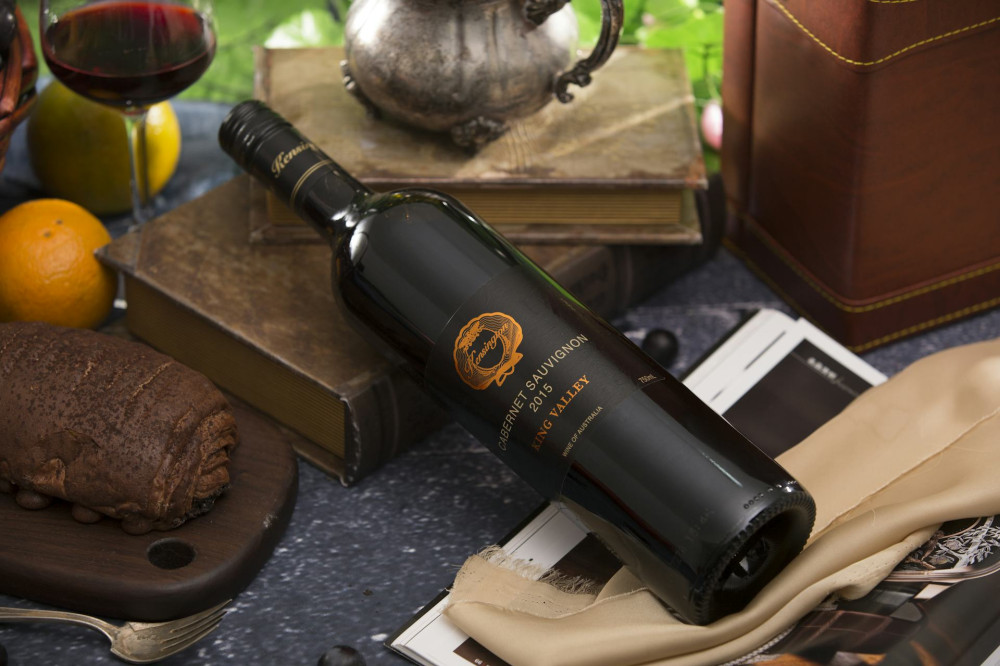
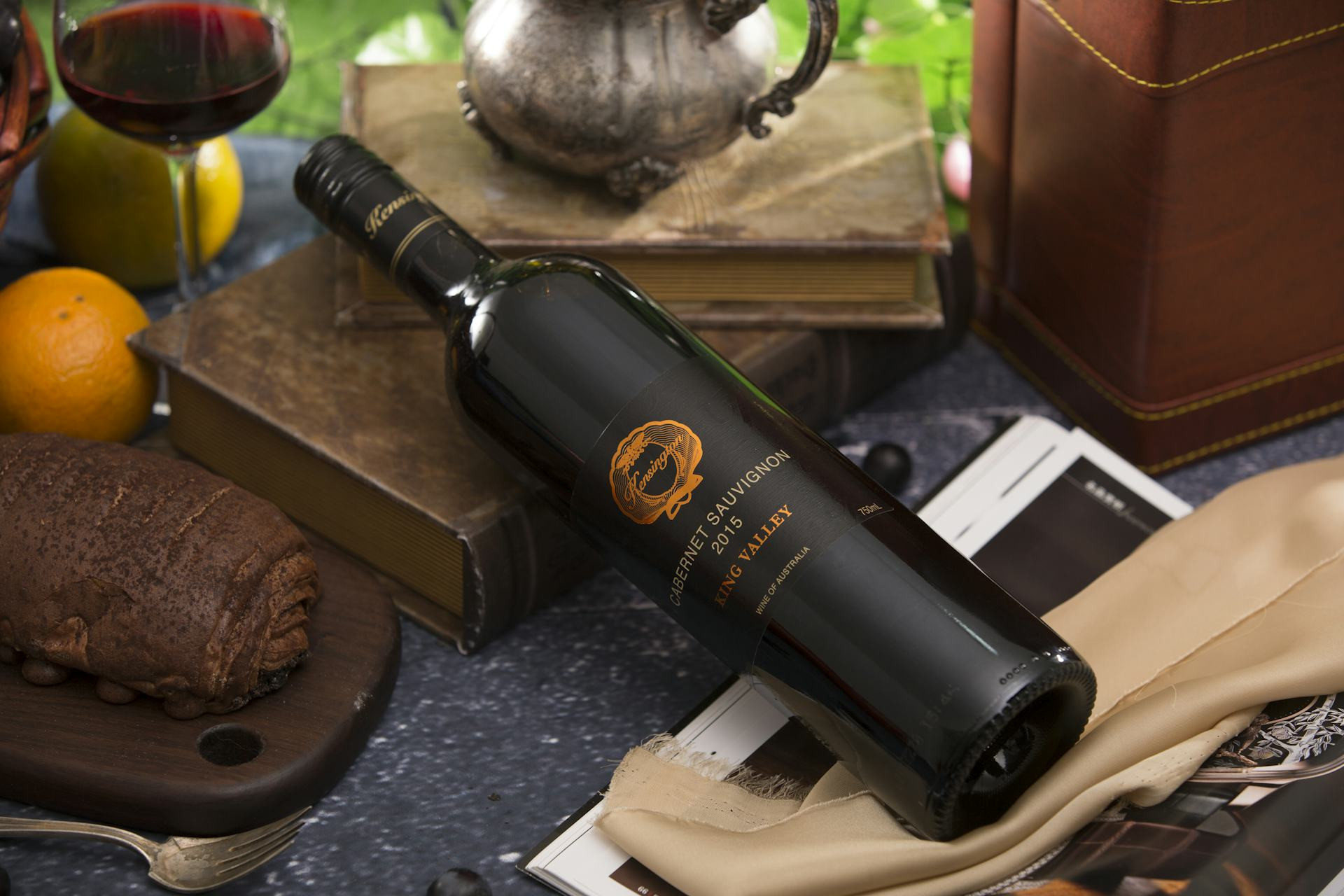
Cabernet Sauvignon is darker and more intense, often showing aromas of blackcurrant, blackberry, and cedar. Oak-aged versions may reveal hints of vanilla, tobacco, or dark chocolate. The tannins are firm, giving the wine a solid structure and excellent potential for aging.
In short: Pinot Noir speaks in a whisper – Cabernet Sauvignon in a deep, resonant voice.
Food pairings
Food and wine should complement each other, and here the differences between these two grapes truly shine.
- Pinot Noir pairs beautifully with lighter dishes such as roast chicken, duck, mushroom risotto, or salmon. Its freshness and acidity make it a great match for dishes with a bit of richness, as it helps cleanse the palate.
- Cabernet Sauvignon calls for bolder fare. It thrives alongside red meat, lamb, game, and hearty stews. The tannins bind with the proteins in the meat, creating a balanced and satisfying combination.
If you’re serving multiple courses, start with Pinot Noir and finish with Cabernet Sauvignon – the wines will naturally follow the meal’s progression in intensity.
Læs også:


The role of climate
Climate plays a crucial role for both grapes. Pinot Noir is famously finicky – it prefers cooler regions where it can ripen slowly. That’s why some of the best examples come from Burgundy, Oregon, New Zealand, and increasingly from Canada’s own cool-climate regions like the Niagara Peninsula and British Columbia’s Okanagan Valley.
Cabernet Sauvignon is more resilient and adaptable. It performs well in both warm and temperate climates and is now grown around the world – from Napa Valley to Chile, Australia, and South Africa. In Canada, it’s found in warmer pockets of the Okanagan, where long summer days help the grapes reach full ripeness. Cooler climates tend to produce Cabernets with herbal, green notes, while warmer areas yield wines with ripe, dark fruit flavors.
Price and aging potential
Pinot Noir is often more expensive to produce because yields are low and the grape demands meticulous care in the vineyard. The reward, however, is a wine that can be subtle, seductive, and full of nuance. Top Burgundies can age beautifully for 10–20 years, though many modern versions are crafted for earlier enjoyment.
Cabernet Sauvignon generally offers greater aging potential. The best wines from Bordeaux, Napa, or Tuscany can mature for decades, developing depth and complexity. Even more affordable bottles often benefit from a few years of cellaring.
Which should you choose?
Choosing between Pinot Noir and Cabernet Sauvignon ultimately comes down to taste and occasion. For a light dinner or a relaxed evening with friends, Pinot Noir is a graceful choice. For a hearty steak or a winter stew, Cabernet Sauvignon reigns supreme.
Many wine lovers appreciate both – they represent two sides of red wine’s personality: the elegant and the powerful, the fleeting and the enduring.
Two classics that never go out of style
Whether you prefer the finesse of Pinot Noir or the strength of Cabernet Sauvignon, there’s no doubt that both have earned their place among the world’s great wines. They show just how diverse red wine can be – and how much character can be found in a single glass.
So next time you’re browsing the wine aisle, let your mood, meal, and company guide you. Because in the end, wine isn’t just about grapes and terroir – it’s about the experience you share when the bottle is opened.
Læs også: