Ergonomic Home Office: How to Set Up for Better Posture and Less Tension

Ergonomic Home Office: How to Set Up for Better Posture and Less Tension
Working from home has become a regular part of life for many Canadians. Whether you’re remote full-time or splitting your week between home and the office, your workspace setup can have a big impact on your comfort and health. Poor posture and muscle tension are common when your home office isn’t designed with ergonomics in mind. The good news? A few thoughtful adjustments can make a world of difference. Here’s how to create a home office that supports your body and helps you stay focused and pain-free.
Start with the essentials: your chair and desk
Your chair and desk form the foundation of your workspace. If you spend hours at your computer, it’s worth investing in an adjustable office chair that supports your lower back and allows you to change positions throughout the day. Look for a chair with adjustable height, lumbar support, and armrests that let your shoulders relax naturally.
Your desk should be at a height where your forearms rest parallel to the floor when typing. If it’s too high, your shoulders will tense; too low, and you’ll hunch forward. A sit-stand desk is ideal, as it lets you alternate between sitting and standing, promoting movement and reducing strain.
Screen placement – protect your neck and shoulders
Your monitor should be directly in front of you, about an arm’s length away, with the top of the screen at eye level. Looking down for long periods strains your neck, while looking up can cause shoulder tension. If you use a laptop, consider a laptop stand or even a stack of sturdy books to raise the screen, and pair it with an external keyboard and mouse for proper alignment.
Dual monitors? Keep the primary one centered and the secondary slightly angled to minimize twisting your neck.
Light and air – often overlooked but essential
Good lighting and fresh air are key to a healthy workspace. Natural light boosts mood and focus, but glare can be a problem. Position your desk perpendicular to a window to enjoy daylight without reflections on your screen. On darker days, use a desk lamp with adjustable brightness and a warm tone to reduce eye strain.
Fresh air also matters. Open a window regularly or use an air purifier, especially during winter months when homes are sealed tight. A comfortable temperature and good air quality help you stay alert and comfortable.
Keep your body moving
Even the best ergonomic setup can’t replace movement. Our bodies are made to move, not to sit still for hours. Stand up at least once an hour, stretch, or take a short walk. Use phone calls as an opportunity to stand or pace.
If you have a sit-stand desk, switch positions several times a day. A balance board or anti-fatigue mat can make standing more comfortable and encourage subtle movement that keeps your muscles active.
Create a calm and focused environment
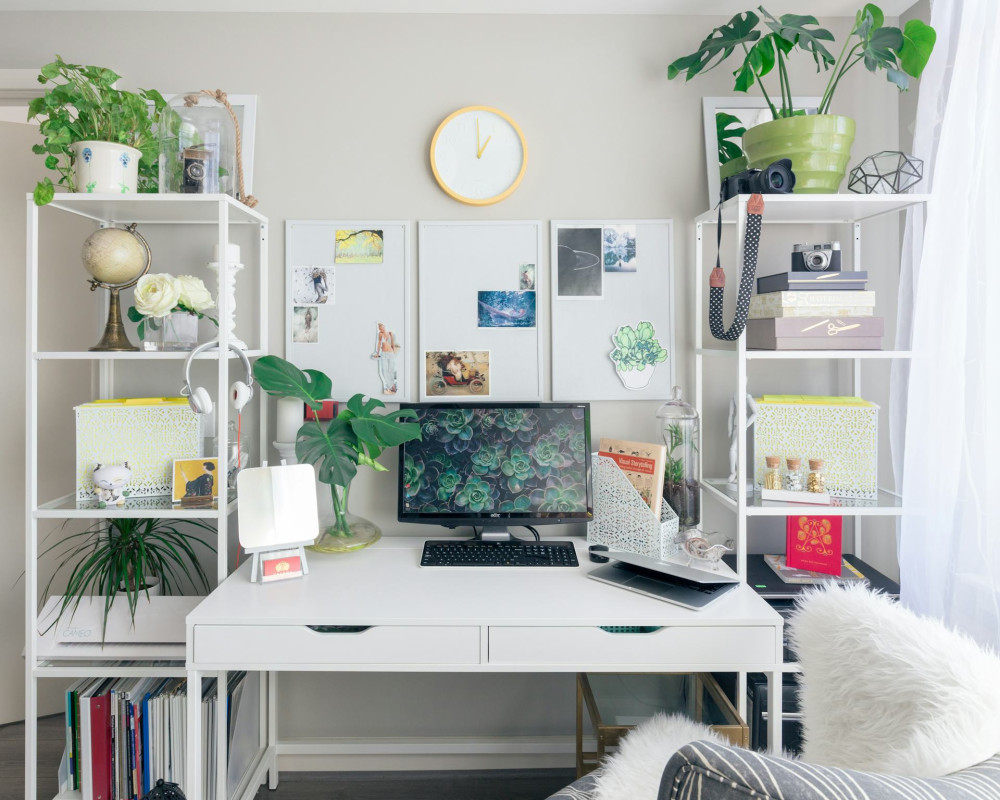
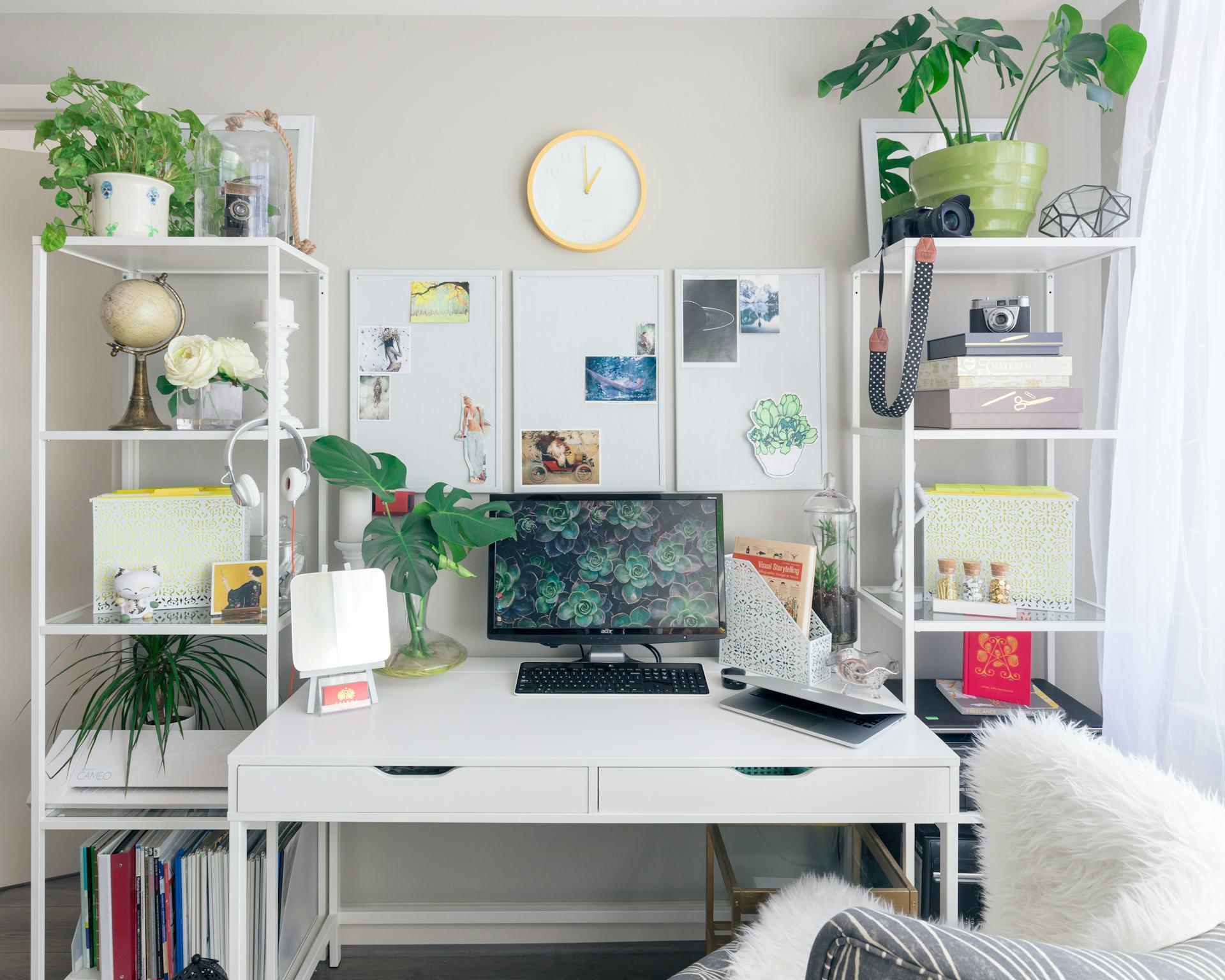
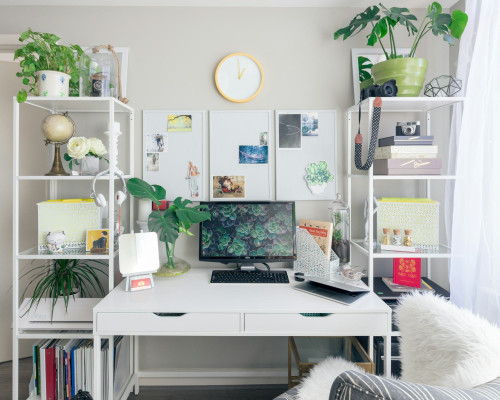
Your home office should support not only your body but also your mind. A tidy, organized space helps you concentrate and reduces stress. Keep your desk clear of clutter, and choose calming colours and textures that make the space inviting.
Adding a few plants can improve air quality and bring a touch of nature indoors. A small fern or pothos on your desk can lift your mood and make your workspace feel more alive.
Small habits, big impact
Ergonomics isn’t just about furniture—it’s about habits. Adjust your chair when you change footwear, check your posture regularly, and keep your feet flat on the floor with your shoulders relaxed.
Incorporate short stretching routines into your day—just five minutes in the morning and afternoon can ease tension and boost energy. Over time, these small habits can make a noticeable difference in how you feel.
Læs også:
A workspace that works for you
There’s no one-size-fits-all solution to ergonomics. The best setup is the one that fits your body, your space, and your work style. Listen to your body’s signals and make adjustments as needed. With a mindful approach and a few smart choices, you can create a home office that supports your posture, reduces tension, and helps you feel your best—day after day.
Læs også: