Did you know that 70% of wine’s flavor comes from proper storage?
Did you know that 70% of wine’s flavor comes from proper storage?
Wine is a delicate creation, crafted with care to deliver a unique experience to every connoisseur who opens a bottle. While many factors contribute to a wine’s flavor, it may surprise you to learn that up to 70% of that flavor is influenced by how the wine is stored. In this article, we’ll explore the importance of proper wine storage and how you can enhance the flavors of your collection.
The Role of Temperature in Wine Storage
Temperature is crucial when it comes to storing wine. Ideal conditions advocate for a consistent temperature between 45°F to 65°F (7°C to 18°C). Fluctuations in temperature can lead to significant chemical changes in a bottle of wine, affecting its taste and aroma.
Higher temperatures can accelerate aging, causing your wine to lose its intended flavors and complexities. Conversely, storing wine at temperatures that are too low can stifle the development of aromatic compounds. Therefore, maintaining stable temperature conditions is paramount for preserving the quality of your wine.
Humidity: The Unsung Hero
Often overlooked, humidity plays an essential role in wine storage. The ideal humidity level for wine storage is around 60-70%. This level of humidity helps maintain the integrity of the cork by preventing it from drying out and shrinking.
A cork that is too dry can allow air to seep into the bottle and spoil the wine. Conversely, excessive humidity can lead to mold growth and damage your labels. To safeguard your wine collection, consider using a humidifier or dehumidifier based on the conditions of your storage space.
Protecting Wine from Light
Light, especially ultraviolet (UV) light, can be detrimental to the quality of wine. UV rays can degrade and prematurely age the wine, leading to a flat and less enjoyable flavor profile. This is particularly true for white wines, which are more sensitive to light exposure.
When storing wine, opt for dark places or UV-filtering glass if using a display case. It’s also a good idea to avoid areas with excessive artificial lighting, like kitchens or bright rooms, to protect your bottles from light damage.
The Significance of Bottle Position
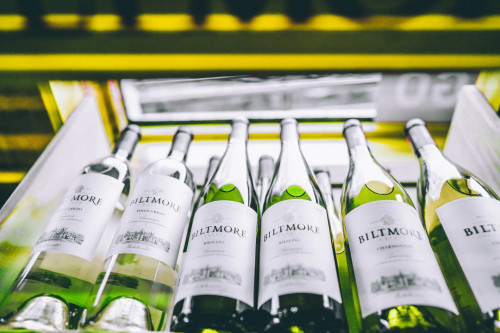
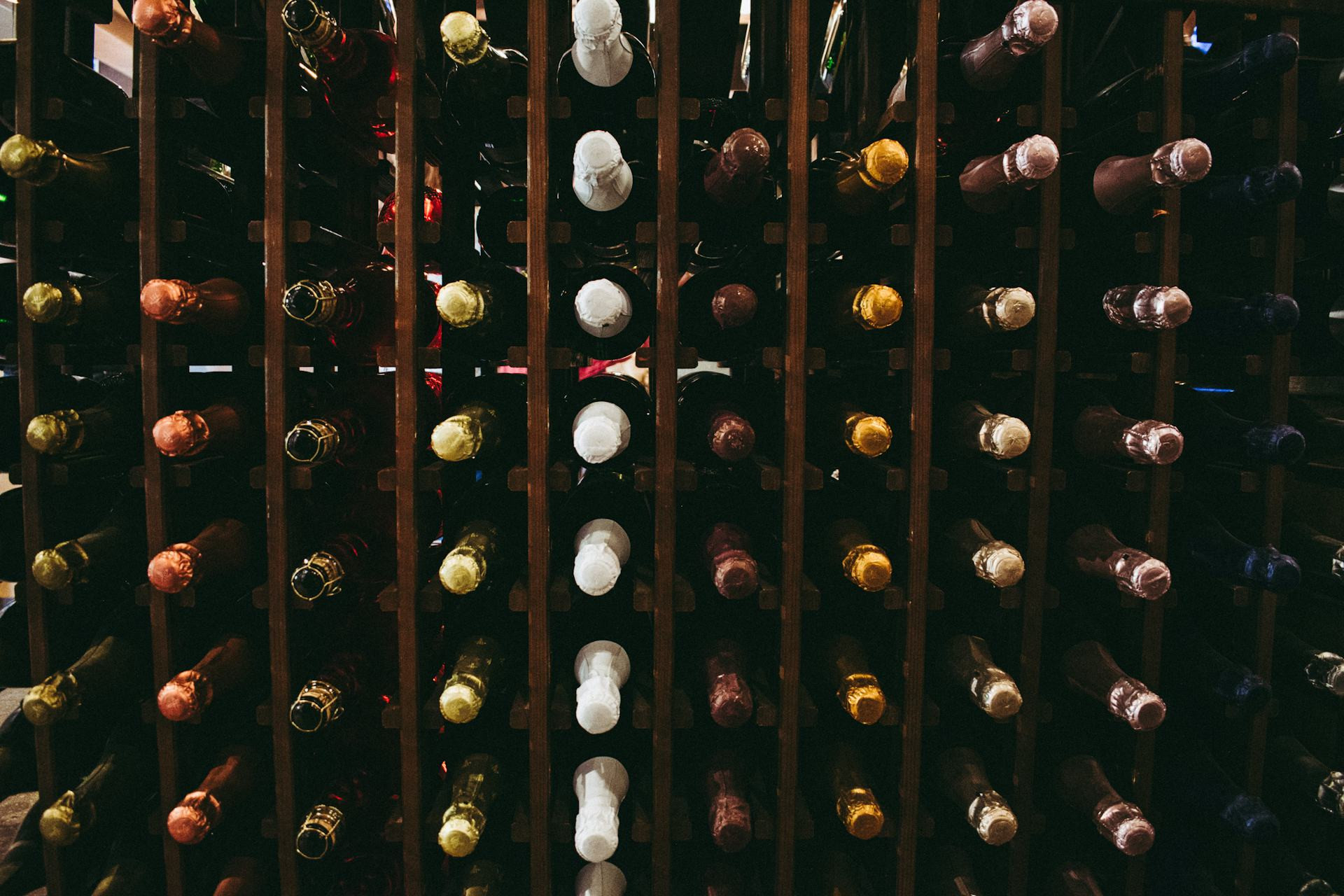
The way you store wine can also affect its quality. For long-term storage, it’s best to lay the bottles on their sides, especially for those sealed with corks. This position keeps the cork moist and prevents it from drying out, which can allow air to enter.
For bottles with screw caps or synthetic corks, standing them upright is usually acceptable. However, for optimal aging, many experts recommend laying them flat, similar to traditional cork-sealed bottles.
Choosing the Right Storage Location
The location of your wine storage is crucial. Wine should be stored in a cool, dark, and vibration-free environment. Avoid placing bottles in areas that experience frequent temperature fluctuations, such as near windows or heating vents.
If youre serious about wine, consider investing in a wine cellar or wine fridge that allows you to curate your ideal storage conditions. These appliances are specially designed to maintain optimal temperature and humidity, making them an excellent choice for any wine enthusiast.
Understanding Aging Potential
Not all wines benefit from aging. Red wines typically have greater aging potential due to their tannins, while many white and sparkling wines are best enjoyed young. However, proper storage is essential for any wine, regardless of how long you plan to keep it.
When storing wines with aging potential, regularly check on their condition and taste them periodically to determine the right moment to enjoy them. Proper storage ensures you can fully appreciate the evolution of flavors and aromas as they mature.
Your Wine Storage Checklist
To optimize the storage of your wine, keep the following checklist in mind:
- Maintain a consistent temperature between 45°F and 65°F (7°C to 18°C).
- Ensure humidity levels are at around 60-70%.
- Store bottles in a dark space, away from UV light.
- Lay bottles on their sides to preserve cork integrity.
- Select a location that is vibration-free and stable.
- Understand which wines benefit from aging and how long to store them.
By adhering to these principles of wine storage, you’ll not only prolong the life of your collection but also enhance the tasting experience. Remember, the way you store your wine can significantly influence how it develops and how enjoyable it will be when the time comes to uncork a bottle.